
Operating a commercial kitchen requires strict attention to cleanliness, safety, and regulatory compliance. Kitchen Hood Cleaning in Nanaimo is a critical part of maintaining a safe and efficient food service environment. For restaurant owners, commercial kitchen managers, and food business operators, understanding how exhaust hood systems work—and why they must be cleaned regularly—helps reduce fire risks, improve air quality, and ensure compliance with health and fire safety regulations. This guide explains the importance of proper kitchen hood cleaning and how it supports safe, uninterrupted kitchen operations in Nanaimo.
What Is Kitchen Hood Cleaning?
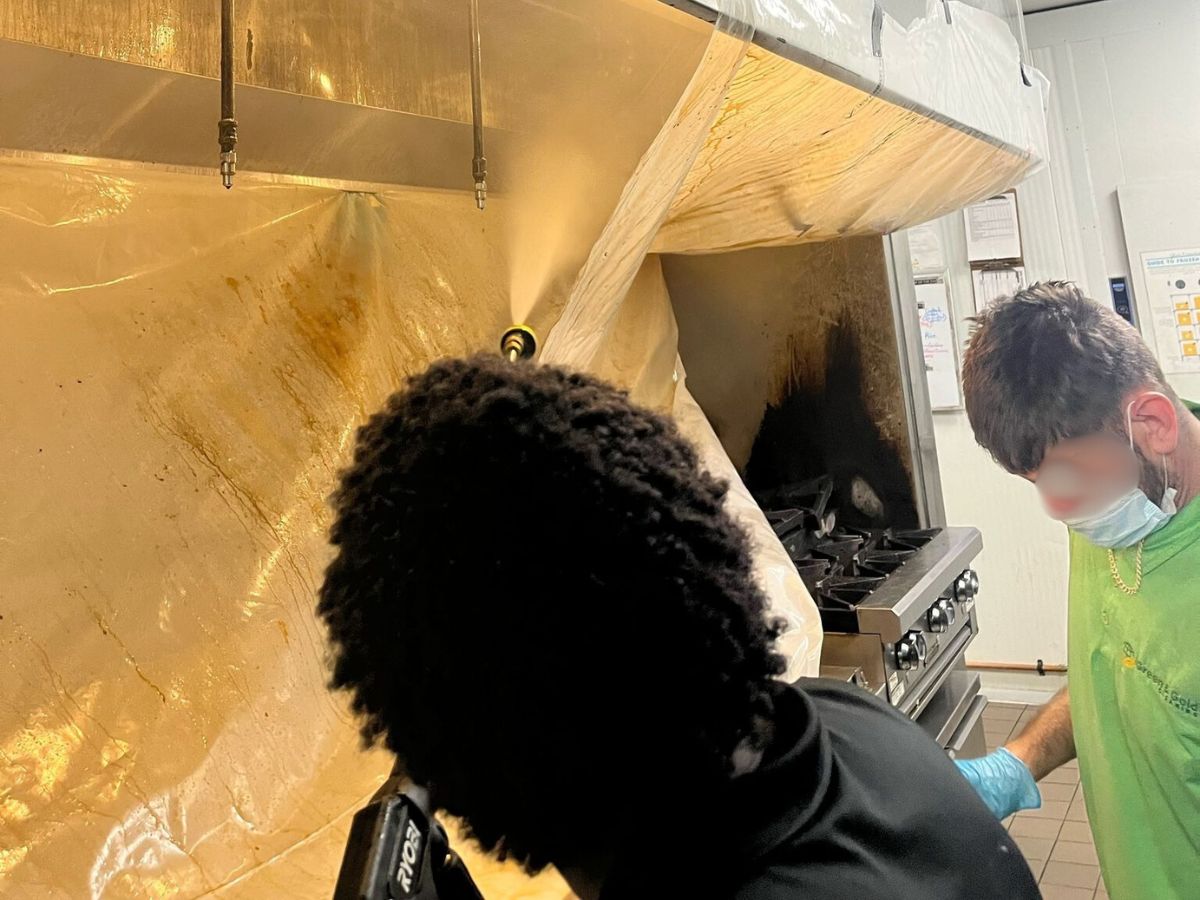
Kitchen hood cleaning is the professional process of removing grease, smoke residue, and other contaminants from a commercial kitchen’s exhaust system. These systems are designed to capture airborne grease, heat, steam, and odors, and safely expel them from the kitchen.
A standard commercial kitchen exhaust system includes:
- Exhaust hood – The canopy above cooking equipment that captures grease-laden air
- Filters – Metal baffle or mesh filters that trap grease particles
- Ductwork – Enclosed passages transporting air from the hood to the exterior
- Exhaust fan – A motorized fan, typically located on the roof, that expels air outside
Over time, grease accumulates throughout the system—not just on visible surfaces. Proper hood cleaning addresses all components, including ducts and fans, to maintain a fully functional exhaust system.
Why Regular Hood Cleaning Is Required
Grease Buildup and Fire Risk
Grease is highly flammable. When it accumulates inside hoods and ducts, it becomes a serious fire hazard. For example, a small flare-up on cooking equipment can ignite grease deposits, allowing fire to spread quickly throughout the building.
Airflow and Ventilation Efficiency
When filters or ducts become blocked, airflow is restricted. Poor ventilation can cause excessive heat, smoke, and lingering odors, which affect both kitchen staff and food quality. Consequently, maintaining clean hoods ensures better working conditions.
Overall Kitchen Safety
Grease can drip onto cooking surfaces or floors, increasing the risk of slips, burns, and contamination. In addition, clean exhaust systems contribute to a safer and more efficient kitchen environment.
Health and Safety Compliance in Commercial Kitchens
Commercial kitchens in Nanaimo must meet strict fire and health regulations. Kitchen hood cleaning is essential to ensure compliance.
- Fire safety standards require that exhaust systems remain free of excessive grease
- Health inspections check hood components for cleanliness
- Insurance providers may demand proof of professional hood cleaning
As a result, regular cleaning helps businesses avoid fines, inspection failures, and potential closures, while also protecting employees and property.
How Often Should Kitchen Hood Cleaning Be Done?
The frequency of cleaning depends on several factors:
- Cooking volume: High-output kitchens generate more grease and require more frequent cleaning
- Cooking methods: Frying, grilling, and charbroiling produce heavier grease than baking or steaming
- Regulatory guidelines: Fire codes and industry standards influence cleaning schedules
Typically:
- High-volume kitchens: every 1–3 months
- Moderate-volume kitchens: every 3–6 months
- Low-volume kitchens: every 6–12 months
Therefore, a professional assessment helps determine the most suitable schedule for each kitchen.
Risks of Improper or Skipped Hood Cleaning
Neglecting hood cleaning can lead to:
- Increased fire hazard – grease-filled ducts can fuel fires
- Failed inspections – health or fire inspectors may issue violations or close operations
- Persistent odors – old grease produces strong smells affecting kitchens and dining areas
- Equipment damage – grease buildup strains fans and motors, leading to breakdowns
- Business disruptions – emergency cleanings, fines, or closures interrupt service and hurt reputation
Clearly, skipping this critical maintenance task can have serious consequences.
DIY vs. Professional Hood Cleaning
Limitations of DIY Cleaning
Staff can clean visible filters, but DIY methods cannot safely access ducts, fans, or rooftop components. Moreover, incomplete cleaning leaves hidden grease behind, increasing fire risk and non-compliance.
Why Professional Hood Cleaning Is Safer
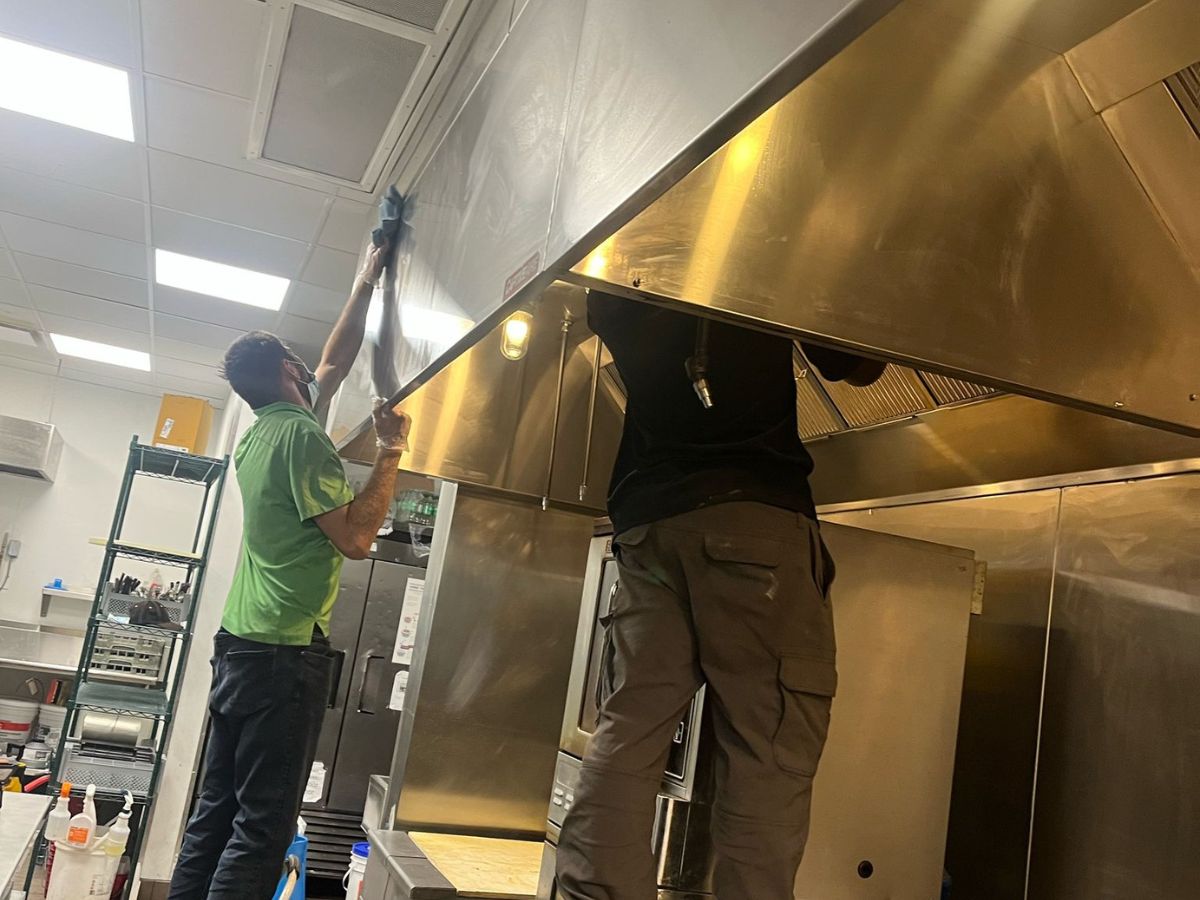
Professional services provide:
- Full-system cleaning from hood canopy to exhaust fan
- Commercial-grade degreasers and specialized tools
- Trained technicians familiar with fire and health regulations
- Documentation suitable for inspections and insurance records
Professional hood cleaning ensures grease is thoroughly removed and systems function as intended.
Professional Kitchen Hood Cleaning with Clean-It All
At Clean-It All, we provide professional kitchen hood cleaning services designed for commercial kitchens. We understand the importance of safety, compliance, and operational efficiency in food service environments.
We follow industry standards to ensure commercial kitchens remain compliant and safe. Our team uses professional-grade equipment and trained technicians to effectively remove grease buildup from hoods, filters, ductwork, and exhaust fans. Our cleaning process supports fire prevention, inspection readiness, and consistent kitchen performance.
We work with restaurants and food businesses to deliver reliable service that aligns with operational schedules and regulatory requirements.