
Maintaining a dental clinic that feels clean and safe is about more than just appearances — it’s essential for protecting patients, staff, and the overall health of your practice. Dental Clinics Cleaning Services in Kamloops focuses on the meticulous cleaning, disinfection, and environmental care necessary in dental settings. At Clean-It All, our approach is rooted in an understanding of how dental practices operate and the specific risks they face every day. By supporting Kamloops dental clinics with professional cleaning and hygiene practices, we help ensure safe, hygienic, and professional environments for everyone who walks through your doors.
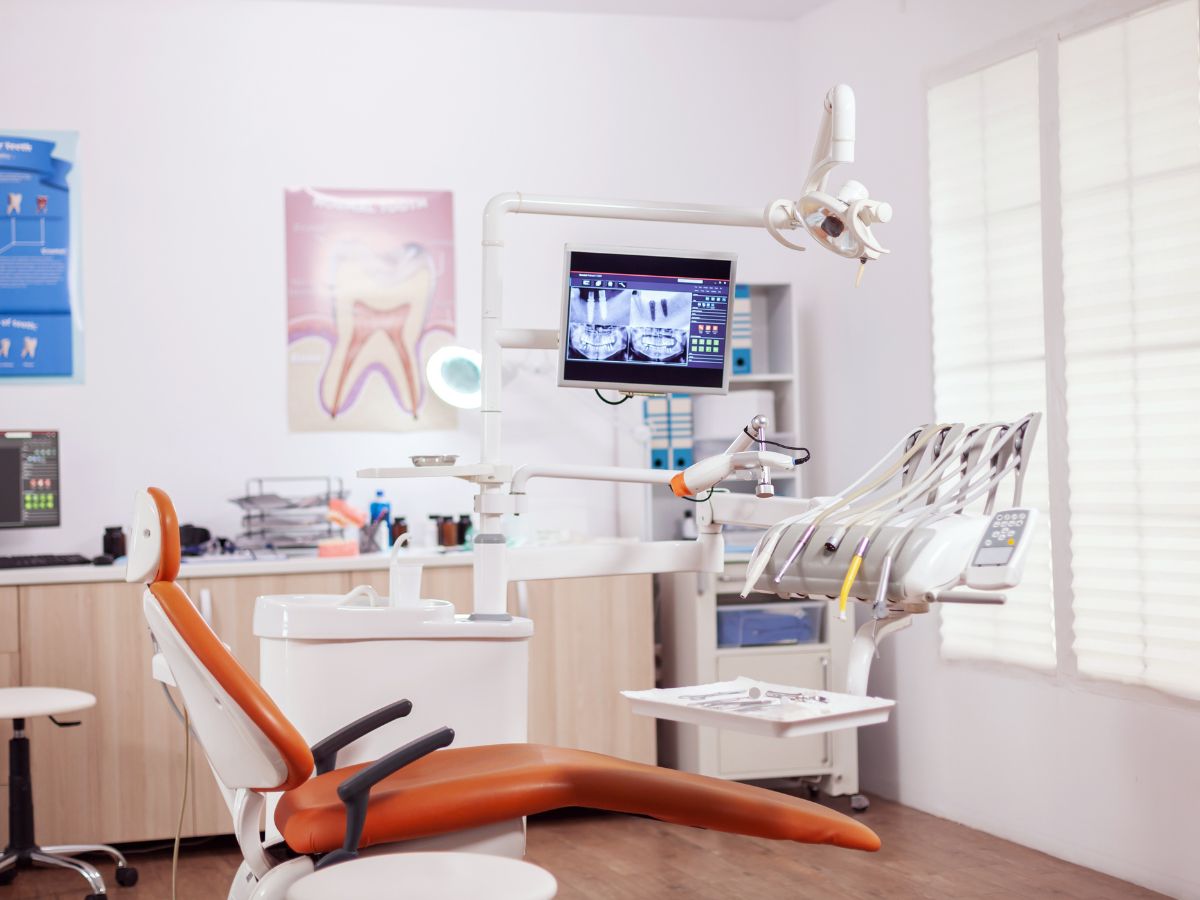
Why Professional Cleaning Is Essential for Dental Clinics in Kamloops
Dental clinics are unique health-care environments. Throughout a typical day, treatment rooms see a high turnover of patients, staff touch numerous surfaces, and dental equipment is constantly in use. Unlike general office spaces, these clinics are places where procedures may involve bodily fluids, aerosols, and frequent physical contact with clinical instruments and surfaces.
Ensuring proper cleaning and disinfection is not simply an added benefit — it’s integral to infection prevention and control. In Canada, national infection prevention and control guidelines outline routine cleaning and disinfection practices for health-care settings, emphasizing environmental cleaning as a key strategy to reduce transmission of microorganisms within care environments.
Professional cleaning tailored to dental clinics addresses both the visible cleanliness of a facility and the invisible microbiological risks that can affect patients and staff alike.
Common Contamination Risks in Dental Clinic Environments
Dental settings face several distinct contamination risks:
- Aerosols and droplets generated during dental procedures can settle on surfaces and equipment, creating reservoirs for bacteria and viruses.
- High-touch surfaces, such as door handles, dental chairs, light handles, and countertops, encounter contact from multiple people throughout the day.
- Clinical tools and equipment — even when sterilized — can contribute to environmental contamination if surrounding surfaces are not properly disinfected.
- Waiting areas and common spaces, where patients and visitors interact, require frequent cleaning to minimize cross-contact between individuals.
Without consistent and thorough cleaning, these risks can contribute to the spread of infection, reduce patient confidence, and create unnecessary operational challenges.
Areas That Require Specialized Dental Clinic Cleaning and Disinfection
A dental clinic includes a range of spaces that require specific attention:
- Operatories and treatment rooms: These areas require disinfection between every patient visit, focusing on all surfaces that could have been touched or exposed during treatment.
- Reception and waiting areas: Regular cleaning of chairs, counters, and high-touch surfaces helps prevent the transfer of microbes between patients.
- Restrooms and break rooms: These require frequent sanitization to maintain hygiene and comfort.
- Sterilization and instrument processing zones: While instruments themselves undergo sterilization, surrounding surfaces need proper cleaning to prevent cross-contamination.
- Floors, vents, and other broader environmental elements: Though often overlooked, these parts of a clinic can harbour dust and contaminants that settle from procedural aerosols.
Meeting these needs requires a structured cleaning protocol and familiarity with both dental workflow and infection control standards.
How Clean-It All Supports Dental Clinics Through Proper Cleaning Protocols
Clean-It All’s cleaning services are developed with direct consideration of what dental clinics require for safe daily operations. Our trained professionals work with clinic managers to:
- Develop and follow cleaning schedules that align with patient flow and clinical activities.
- Target high-risk and high-touch areas with appropriate techniques and agents.
- Use hospital-grade disinfectants and tools that are suitable for health-care environments.
- Coordinate with clinic infection control protocols, ensuring that environmental cleaning supports clinical sterilization and disinfection processes.
Our team understands that effective cleaning in dental settings goes beyond general housekeeping — it requires systematic attention to detail, documented processes, and respect for clinical workflows.
Industry Best Practices and Hygiene Standards for Dental Facilities
In health-care environments across Canada, infection prevention and control (IPAC) standards guide cleaning practices. These standards recommend routine environmental cleaning, defined schedules, and training for those responsible for cleaning, so that responsibilities are clear and consistent.
Some of the core practices include:
- Routine practices and additional precautions: These are recommended by the Public Health Agency of Canada and help standardize how infection transmission risks are mitigated in health-care settings.
- Cleaning between patient treatments: Operating chairs, light handles, and other clinical contact surfaces should be cleaned and disinfected between patients.
- Use of approved disinfectants: Products should have appropriate regulatory identification and be used according to instructions to ensure effective microbial control.
These best practices are designed to work alongside clinical sterilization protocols and professional judgement, fostering safer environments for patients and staff.
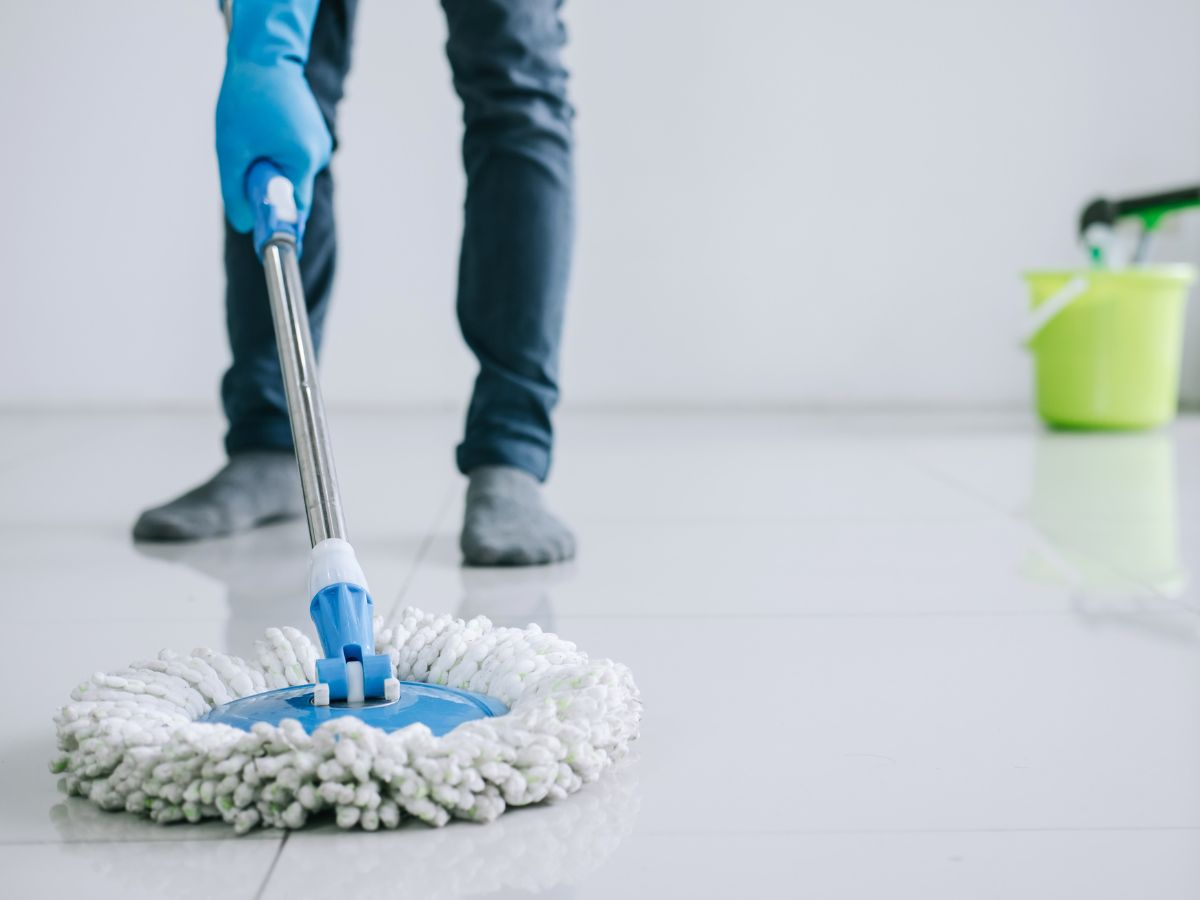
Benefits of Hiring Trained Cleaning Professionals Instead of General Cleaners
While general cleaning services can maintain surface appearances, they often lack the depth of training and procedural rigor required in a dental clinic. Professional cleaning for health-care environments like dental clinics provides several advantages:
- Specialized knowledge of health-care risks: Professionals understand where contaminants are most likely to accumulate and how to address them.
- Trained use of disinfectants and equipment: Cleaning stronger and safer agents requires understanding contact times and surface compatibility.
- Consistency and documentation: Health-care cleaning often requires records of tasks completed, which trained professionals can maintain.
- Alignment with clinic protocols: Cleaning teams trained for clinical environments can integrate seamlessly into your infection prevention framework.
These distinctions are essential to maintain compliance with safety standards and to support effective overall infection control strategies.
Conclusion
Clean, hygienic dental clinic environments matter for patient safety, staff wellbeing, and clinic reputation. From operatories to waiting rooms, every area in a dental clinic plays a role in infection prevention. By adhering to established standards and employing trained cleaning professionals, clinics in Kamloops can sustain environments that reflect the quality and care you provide.
To learn more about Dental Clinics Cleaning Services in Kamloops or to schedule a consultation for your clinic, contact Clean-It All and let us help support your infection control efforts with professional, experience-based cleaning services.